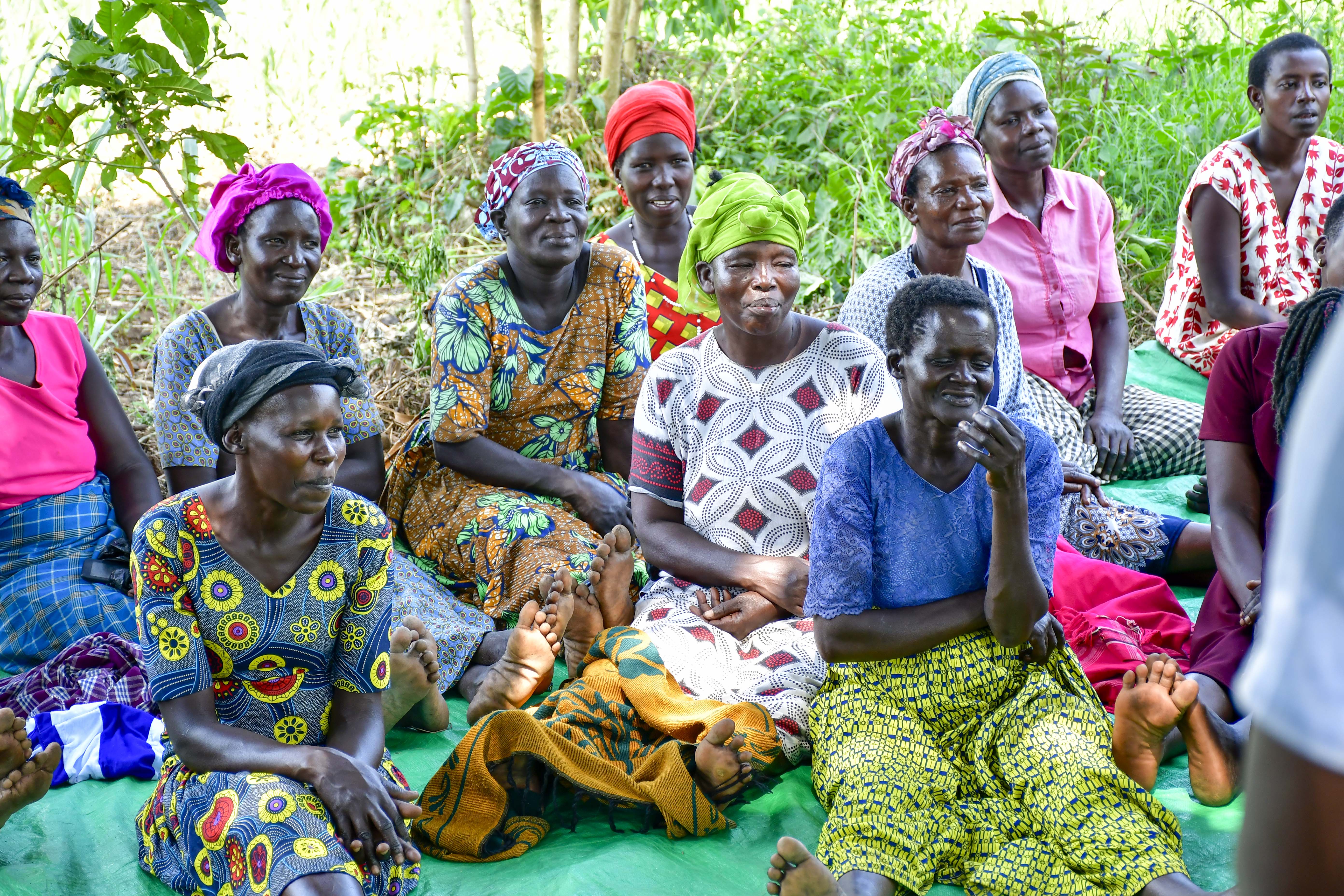
For farmers in Gwetom A, Kaberamaido District, agriculture is gradually becoming more than a means of putting food on the table. Through collective action, improved farming practices, savings and access to new knowledge, families are beginning to see farming as a business that can generate income and improve their wellbeing.
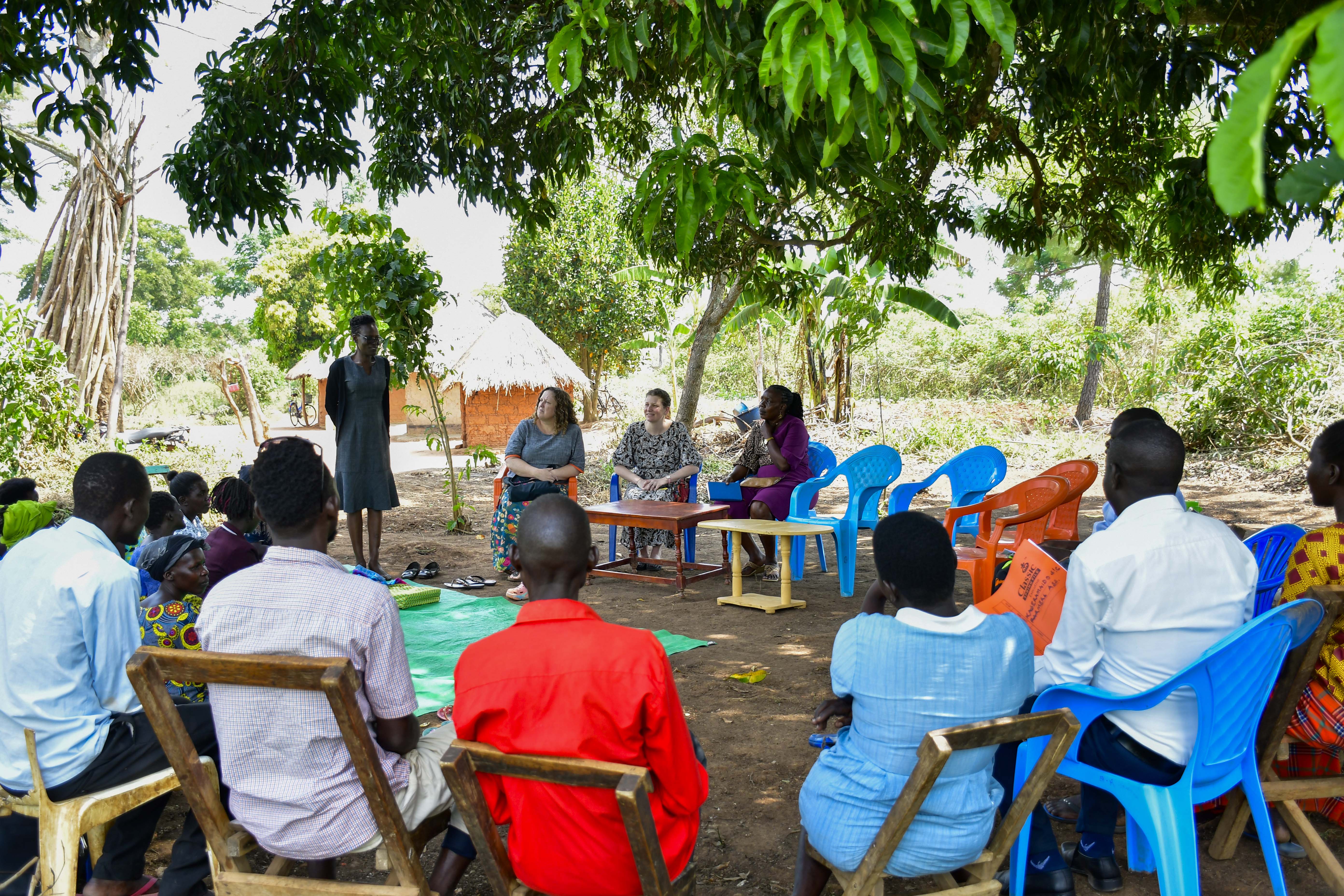
This progress was shared during a support visit by a team from Baptist World Aid Australia (BWAA), who joined Share An Opportunity Uganda staff to meet farmer associations in Gwetom A. The visit provided an opportunity for community members to reflect on the changes they have experienced, while also highlighting some of the challenges that continue to affect their livelihoods.
During the discussions, the chairperson of the farmer association recalled that when SAO Uganda first began working with the community, its focus was not simply on providing support, but on empowering people with the skills and knowledge to improve their own lives.
Over time, community members have acquired skills in different income-generating activities, including baking, soap making and tailoring. Farmers have also received training in improved agricultural practices and have been linked to relevant technical offices, including the District Agricultural Office.
According to the farmers, these interventions have also contributed to changing the way agriculture is perceived in the community. Farming, which was once looked down upon by some community members, is increasingly being recognised as an important livelihood and business opportunity.
Today, the farmer initiative has grown to 13 groups with 233 members. The farmers have also established a SACCO through which members save together, with plans underway to register it as a cooperative.
Turning agriculture into a business
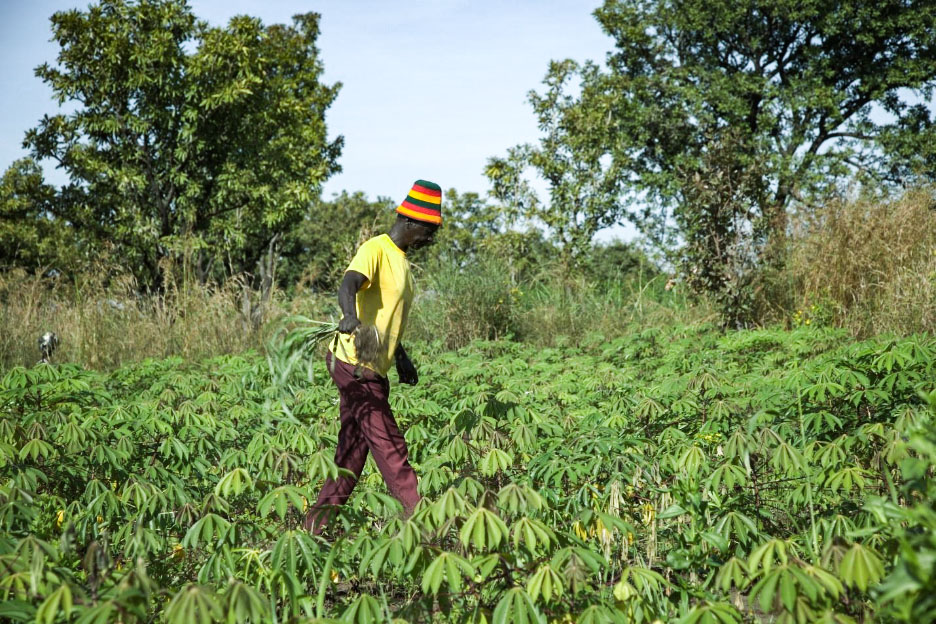
Improved access to knowledge and quality planting materials has enabled farmers to increase the quality and productivity of their farms. Many are now growing crops commercially, including cassava, simsim, sunflower and maize.
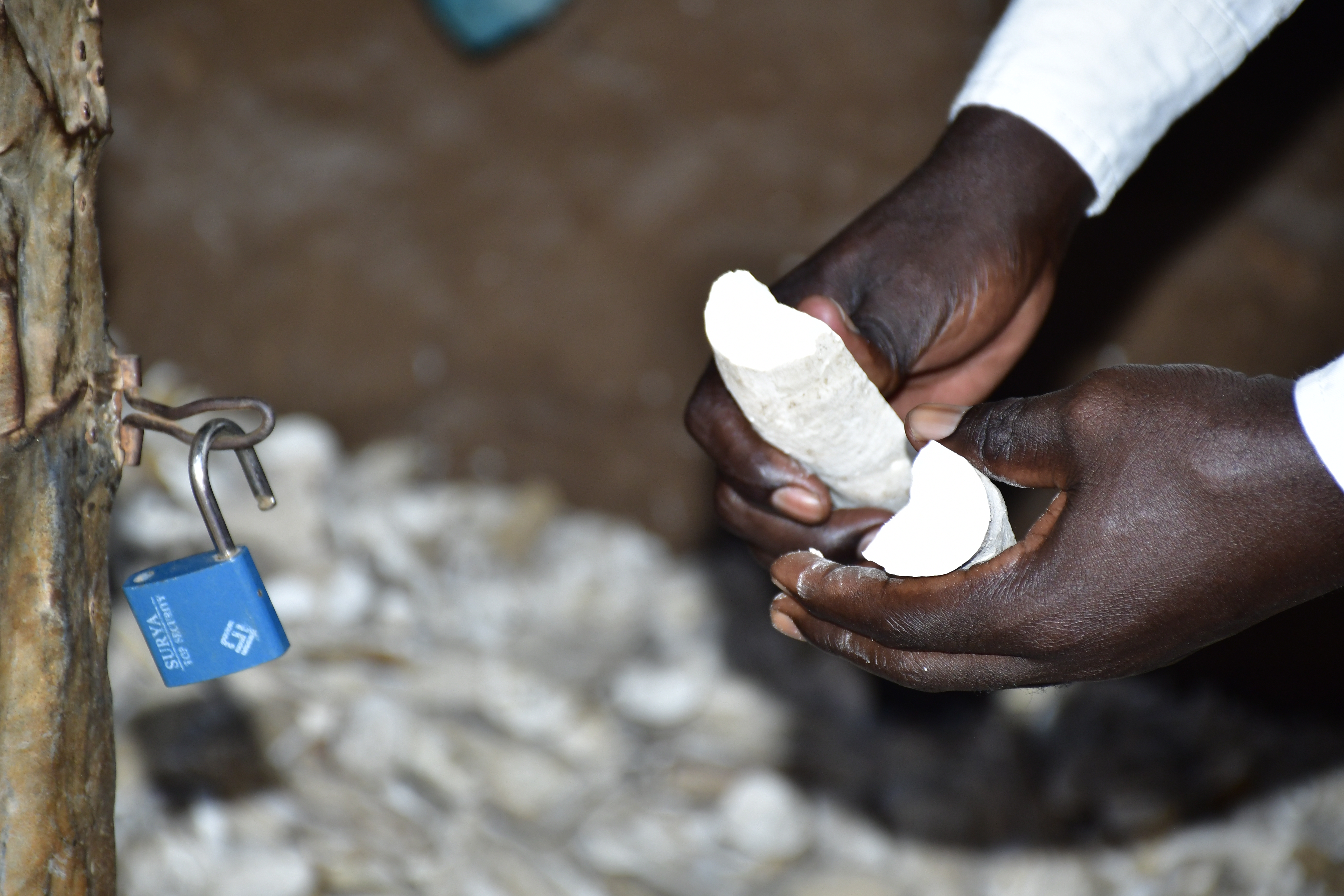
Cassava has become particularly important because of its suitability to the local conditions and its potential for commercial production.
Farmers have also learned the value of bulking their produce. Rather than selling individually in small quantities, they collect their produce together to improve their bargaining position and attract better markets.
However, the lack of a proper bulking facility remains a major challenge.
Farmers explained that buyers sometimes offer as little as UGX 200 for cassava, partly because major buyers and processing facilities are located far away, including in Pallisa. Transport costs and limited storage options weaken the farmers’ bargaining power and make it difficult for them to wait for better prices.
Climate change is creating another layer of uncertainty. Longer dry spells and increasingly unpredictable seasons are affecting planting schedules and crop yields. While drought-resistant seeds could help farmers adapt, they remain expensive and are not easily accessible within the community.
Teddy’s story: Farming, saving and caring for children
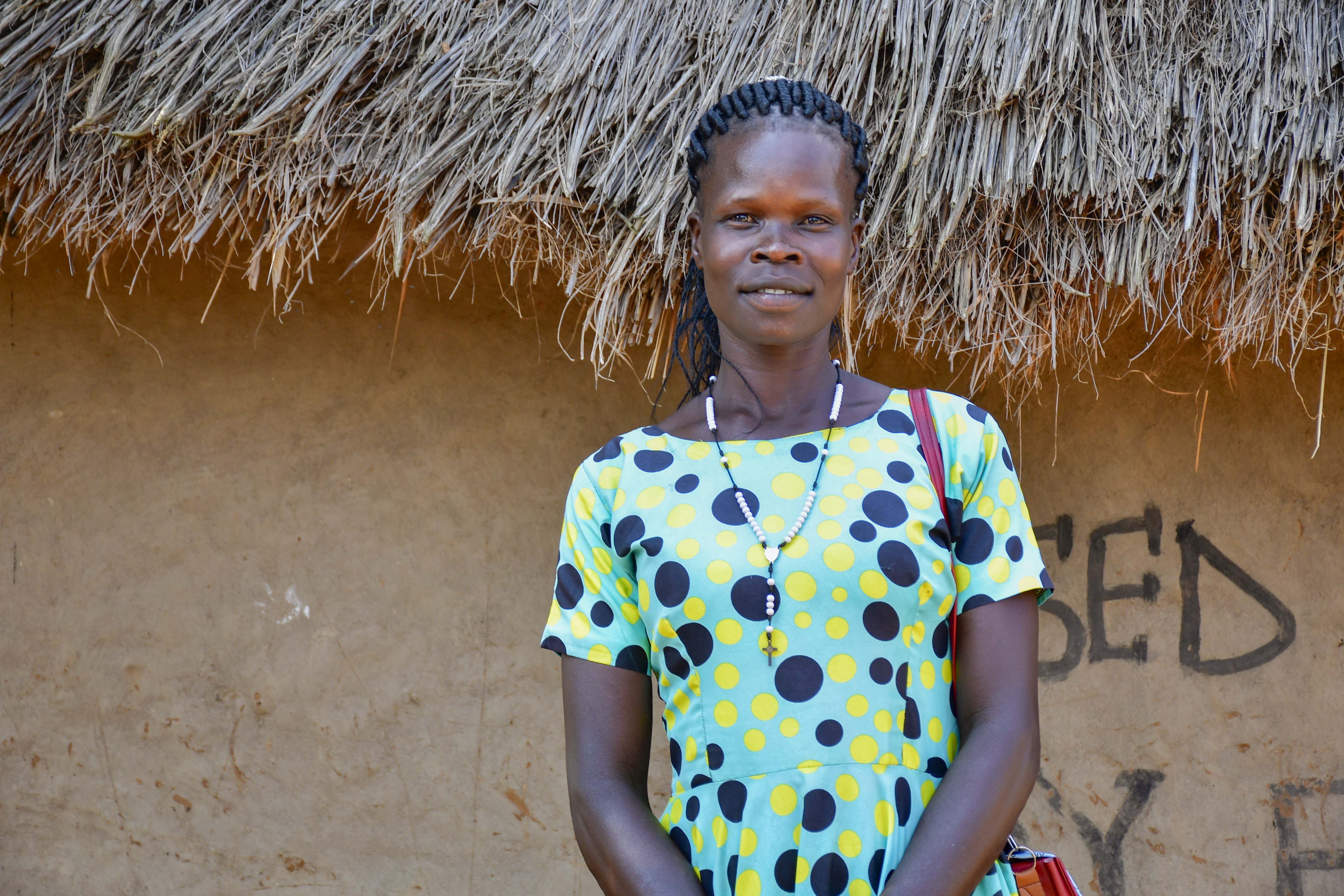
Among the farmers who shared their experiences was Arago Teddy, a mother of three who grows beans, maize and sorghum.
For Teddy, joining the farmer group opened the door to new knowledge about agriculture. Through training and demonstration farms, she learned improved methods of preparing cassava gardens, planting cassava in rows, controlling pests, identifying diseased plants and properly managing her garden.
The group also taught her the importance of collective marketing.
“We collect and market cassava as a bulk so that we can attract a better value for it,” Teddy explained.
But farming is only one part of her journey.
Teddy is also a member of a Self-Help Group (SHG), where members save together and access loans to invest in their households and small businesses. Alongside farming, she earns additional income from selling omena and tomatoes.
Over the three years she has participated in the savings group, Teddy says access to loans has helped her meet some of her family's most important needs.
She has borrowed money to pay school fees for her children and invested in goats, which she hopes to sell later for additional income. Whenever she takes a loan, she develops a repayment plan, sometimes paying it back in monthly instalments.
For Teddy, these opportunities have also strengthened the economic position of women in her community.
She says more women are now able to contribute towards household needs, including buying food, rather than depending entirely on their husbands.
Supporting children beyond her own household
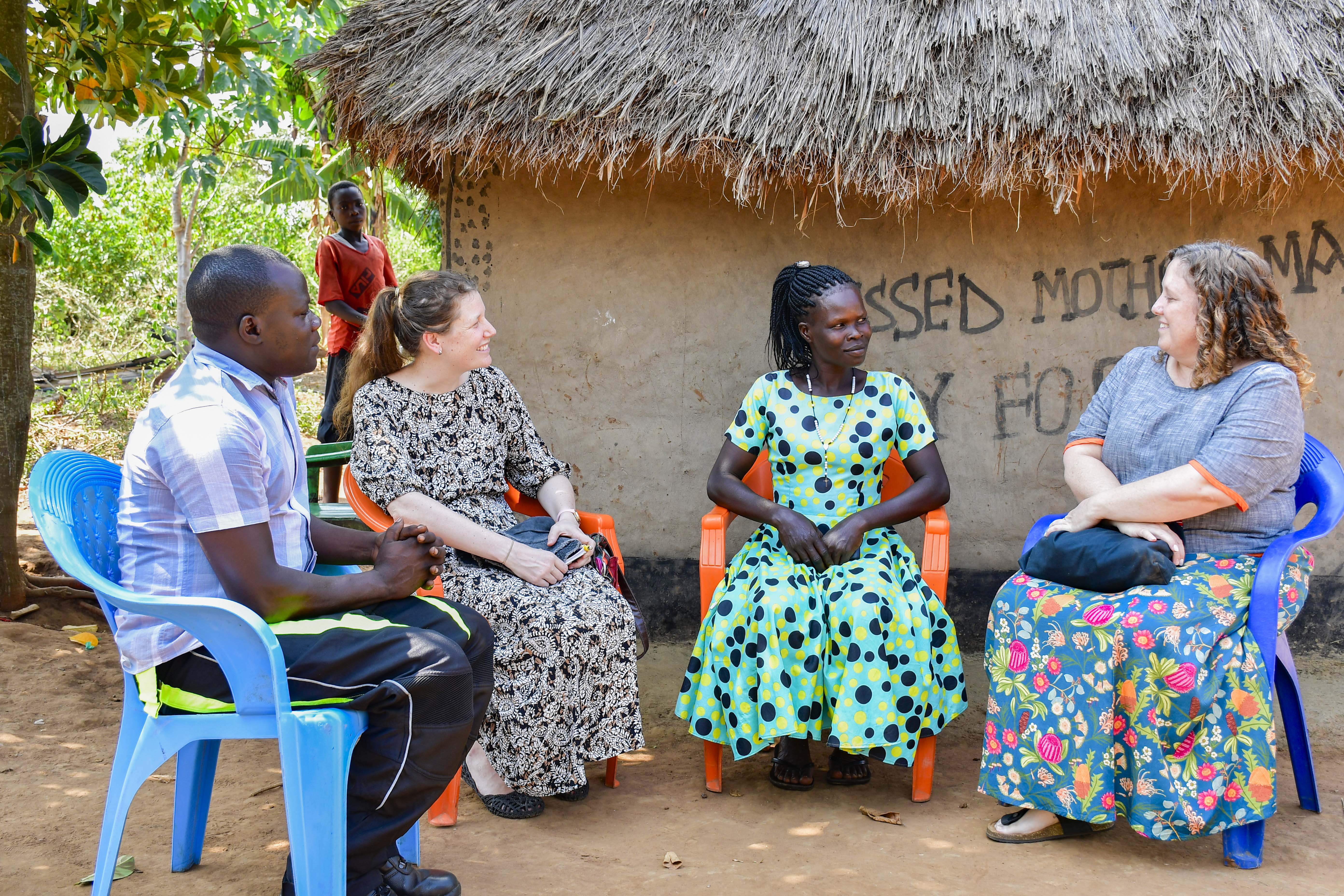
Teddy's contribution to her community extends beyond agriculture and savings. She also serves as a child monitor with the Idwe Olelo Children Club.
Every Saturday, she meets with children to discuss their rights, good conduct and positive values. She regularly monitors about 25 children, although other children from the community often join the sessions. The children she works with range from approximately four to 13 years old.
For Teddy, becoming a child monitor came from a simple motivation: her love for children and her desire to help them learn.
“I love children. I love talking to them and educating them,” she says.
Through the club, children are learning to understand their rights and express themselves. Teddy has observed that many of the older children can now identify and talk about their rights, although the younger children still need more guidance.
Her experience demonstrates the connection between household economic empowerment and child well-being. When parents have stronger livelihoods, access to savings and greater knowledge, they are better positioned to provide food, education and other basic needs for their children. At the same time, community structures such as children's clubs provide spaces where children can learn, participate and understand their rights.
Progress amid continuing challenges
Despite the progress Teddy has made, life is not without challenges. Her income remains limited, and meeting school fees, food and medical expenses continues to place pressure on the household. Prolonged dry spells are also affecting the crops on which her family depends.
Still, she has clear ambitions for her family. She wants to expand the amount of cash crops she grows, increase her household income and eventually build a permanent house for her children. Above all, she wants to keep her children in school and give them the opportunity to attain a higher level of education.
The experience of Teddy and the wider farmer associations in Gwetom A reflects the broader transformation taking place within the community. Farmers are organising themselves, saving together, improving their agricultural practices and exploring ways to reach better markets. Women are becoming more economically active, while community members are also taking responsibility for protecting and supporting children.
As the project approaches its final year of implementation, these community-led structures will be important in sustaining the progress already made. While challenges such as climate change, limited markets, low produce prices and inadequate bulking facilities remain, the farmers of Gwetom A have demonstrated what can happen when communities are equipped with knowledge, organised around common goals and empowered to take the lead in their own development.